Antibiotics for Dry Eye
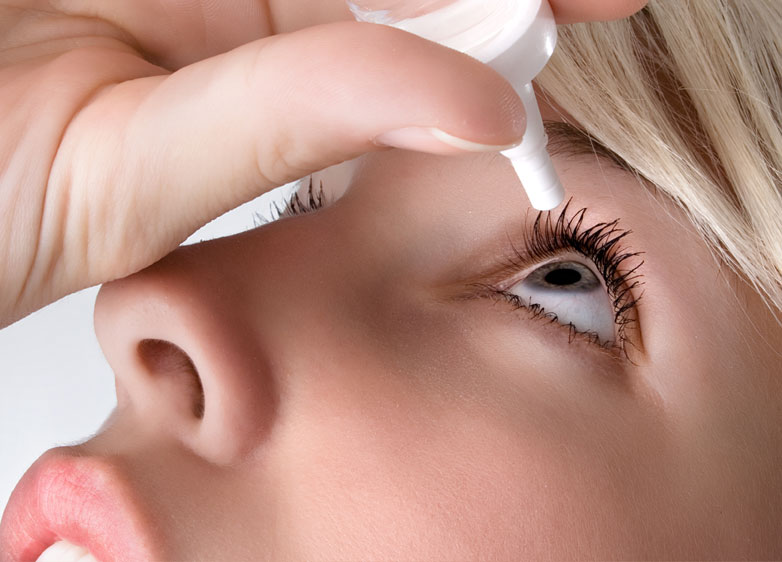
The National Eye Institute explains that tears are made of three parts–an outer or top oily layer, a middle watery layer and an inner layer of mucus. The meibomian glands, are located in the eyelids and are responsible for producing the oily layer in tears. The meibomian glands may stop secreting oil into tears if they become inflammed and this can lead to dry eye. Administration of antibiotics in ointment, eyedrop, or pill form may reduce this inflammation and reverse dry eye.
Cyclosporine for Dry Eye
The cornea is located in front of the iris–the colored part of the eye. It protects the eyes from environmental factors like dust and germs. This part of the eye is nourished by the watery part of tears.
Dry eye may occur when the watery part of tears is produced in insufficient quantities and this could cause corneal damage. According to the National Eye Institute, a medication called cyclosporine is the only medicine that treats dry eye. It works by helping the eyes produce more of its own tears and also reduces damage to the cornea. Symptoms of dry eye are reduced with this medication as well. It takes this medicine about 3 to 6 months to start working.
Artificial Tears
The American Optometric Association reports that artificial tears may be used to treat mild cases of dry eye. Artificial tears can be purchased over the counter and can be used whenever they are needed. Using artificial tears that contain preservatives may put the eyes at risk for irritation. Therefore, using additive free artificial tears is recommended.
Hydroxypropyl Cellulose for Dry Eye
The OPTINGHealth.com describes hydroxypropyl cellulose as a little eye insert that can be used by dry eye patients who cannot use artificial tears. This medication is inserted in between the lower part of the eyeball and the lower eyelid. It works by releasing a substance found in artificial tears that lubricates the eyes.